
Sapporo Onsen Trip: A Routine to Reduce Skin Irritation Before and After Bathing
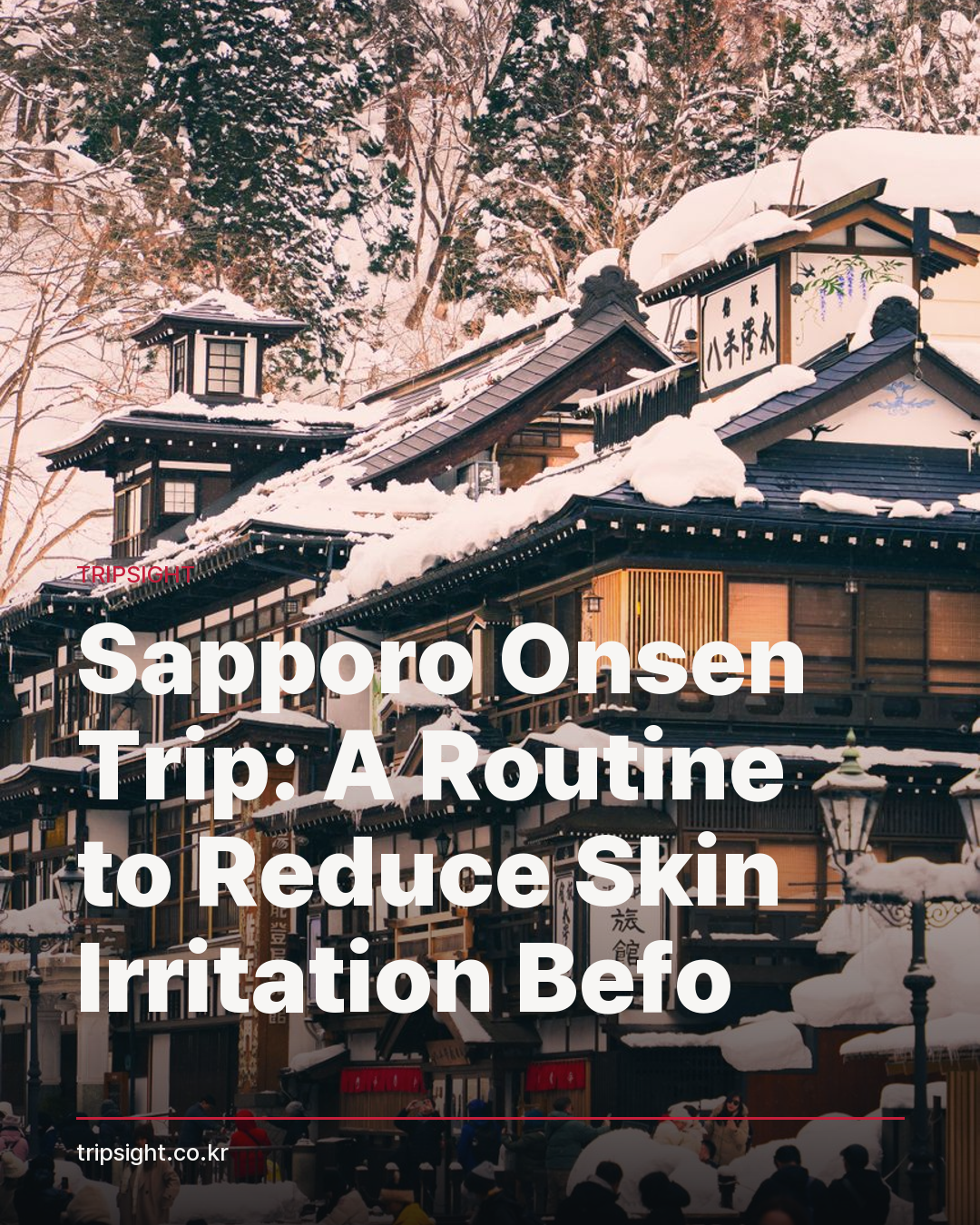
Jozankei (定山渓), reachable from Sapporo as a day trip, has a near-neutral sodium chloride spring, while Noboribetsu (登別), which requires a longer drive, has a mix of nine spring qualities including acidic sulfur springs, so even though both are called 'Sapporo onsen,' the irritation felt on the skin differs. This difference is not something to judge by feel: it can be checked using the liquidity (液性) ranges set by the Ministry of the Environment and the analysis figures posted at each facility. Accordingly, what to check before bathing and whether to rinse after bathing change as well.
Jozankei and Noboribetsu: Viewing the Water Quality Differently from the Start
The representative spring source in the Jozankei onsen district, Shikanoyu (鹿の湯) No. 33, is a clear, colorless sodium chloride spring, and the official website introduces this onsen as 'a neutral, high-quality hot spring.' Because the salt remains on the skin's surface after bathing and slows the evaporation of sweat, it is called the Hot Water of Heat (熱の湯), and its irritation is relatively low.
Noboribetsu, on the other hand, gathers several spring qualities, including salt spring, sulfur spring, acid spring, and iron spring, within a single hot spring town. According to the official guide from Noboribetsu Manseikaku, sulfur spring is a spring quality that has long been used for muscle pain, skin diseases, and more. It has a strong scent, and local tourism information (Yuyu Hokkaido) explains that acid spring has strong sterilizing power, and recommends that people with sensitive skin rinse off with plain water after bathing. In other words, even within the Sapporo area, it is closer to the actual measured data to treat Jozankei as relatively mild and Noboribetsu's acid and sulfur springs as carrying some irritation.
Gauging Irritation Intensity in Advance via pH
The Ministry of the Environment's 'Guidelines for Mineral Spring Analysis Methods (revised 2014)' classifies the acidity of hot springs by pH into five categories: below pH 3 is strongly acidic, 3 to below 6 is weakly acidic, 6 to below 7.5 is neutral, 7.5 to below 8.5 is weakly alkaline, and 8.5 and above is alkaline. This standard is the basis for interpreting the pH figures listed on the onsen analysis reports posted at each facility.
The Japan Spa Association's explanation page for onsen analysis reports presents the same ranges, noting that the lower the pH (the stronger the acidity), the greater the skin irritation. If you are moving between several onsens during a trip to Sapporo, checking just the pH figure on the analysis report posted at the changing room or bath entrance can give you a sense of that day's irritation level.
Before Bathing: Minimum Conditions Required by Official Manuals
- According to official guidance from Hokkaido's Department of Health and Welfare, before entering the bath, pour water over your hands and feet (kake-yu) to adjust to the temperature and rinse your body, then enter.
- Avoid bathing right after or right before a meal, or after drinking alcohol, and rest for about 30 minutes after exercising before entering the bath.
- When bathing in a dehydrated state, such as right after waking up, drink about a cup of water beforehand to prevent dehydration.
- The same guidance specifies, as contraindications by spring quality for acid springs and sulfur springs, people with hypersensitive skin or mucous membranes, and elderly people with dry skin conditions, so if your skin tends to be sensitive, it is safer to check the spring quality on the posted notice before bathing.
During Bathing: Adjust Temperature and Frequency to Match Irritation
Official guidance from Hokkaido's Department of Health and Welfare and the Japan Spa Association recommends that elderly people, patients with high blood pressure or heart disease, and those who have experienced a stroke avoid high-temperature baths of 42 degrees Celsius or above. It also suggests limiting bathing to once or twice a day for the first few days, then increasing to two or three times once the body has adjusted.
The same materials note that symptoms of 'yu-atari,' including dermatitis, can appear roughly three days to a week after starting to use the onsen, and state that bathing should be stopped or its frequency reduced while such symptoms are present. If your itinerary involves visiting acid or sulfur type onsens several times a day, this standard can be applied during your trip.
After Bathing: Decide Whether to Rinse Based on Spring Quality
| Category | Jozankei (Sodium Chloride Spring) | Noboribetsu (Acid and Sulfur Type) |
|---|---|---|
| Acidity tendency | Close to neutral | Includes an acidic range |
| Rinsing after bathing | It is common to leave the salt on to maintain the warming effect | Local guidance recommends rinsing with plain water for sensitive skin |
| People who need caution | Little major irritation, but check any wounds | People with sensitive skin or mucous membranes, and elderly people with dry skin, are specified as contraindicated |
For onsens like Jozankei where chloride is the main component, the minerals form a film on the skin that produces a warming effect, so it is generally advised to leave it unwashed. For irritant spring qualities like Noboribetsu's acid and sulfur types, local tourism information recommends that people with sensitive skin rinse off the minerals with plain water after bathing. In both cases, it is common practice to avoid leaving moisture on the skin for long and to lightly pat dry with a towel.
Notices to Check Before Bathing, and Basic Manners
Under Article 18 of the Hot Springs Act, onsen facilities that offer public bathing are obligated to post their mineral content, contraindications, and bathing precautions in a place easily visible to users. At any facility in Sapporo, Jozankei, or Noboribetsu, checking this posted notice (the onsen analysis report) at the changing room or bath entrance lets you judge on the spot the spring quality and contraindications of that day's bath.
The Japan National Tourism Organization (JNTO)'s official bathing manners guide presents, as basic manners, washing the body with a shower before entering the bath, and tying up long hair so it does not touch the water. These two things, checking the posted spring quality and washing before bathing, are the minimum conditions common to any onsen you visit around Sapporo.
Sources: Hokkaido Department of Health and Welfare - Precautions for Safely Bathing at Onsen Facilities
Sources: Ministry of the Environment - The ABCs of Safe and Secure Onsen Use
Sources: Ministry of the Environment - Guidelines for Mineral Spring Analysis Methods (Revised Heisei 26)
Sources: Japan Spa Association - Things to Watch Out For at Onsen (Bathing Edition)
Sources: Japan Spa Association - How to Read an Onsen Analysis Report
Sources: Jozankei Shikanoyu Official - Onsen
Sources: Noboribetsu Manseikaku Official - Noboribetsu Onsen
Sources: Yuyu Hokkaido - Noboribetsu's Nine Spring Qualities
Sources: Japan National Tourism Organization (JNTO) - Bathing Etiquette and Useful Tips